
Skip to content

Uncover sound insights people can act on

Understand environments through sound

From public concern to clear evidence

Public, urban, transport, and built environments are often assessed after concerns arise. Residents submit repeated complaints. A nightlife area becomes harder to control at certain hours. An airport complies with regulations, while passengers or nearby communities still experience disturbance.

For municipalities and enforcement authorities, this situation is familiar, there is a lot of input, but not enough certainty. Complaints describe what people experienced, but they don’t always explain what caused it, how often it happens, or whether it is likely to return.

The challenge is not a lack of effort or attention. It is the difficulty of understanding what is actually happening in a place, clearly enough to decide whether follow‑up, enforcement, or longer‑term action is justified.

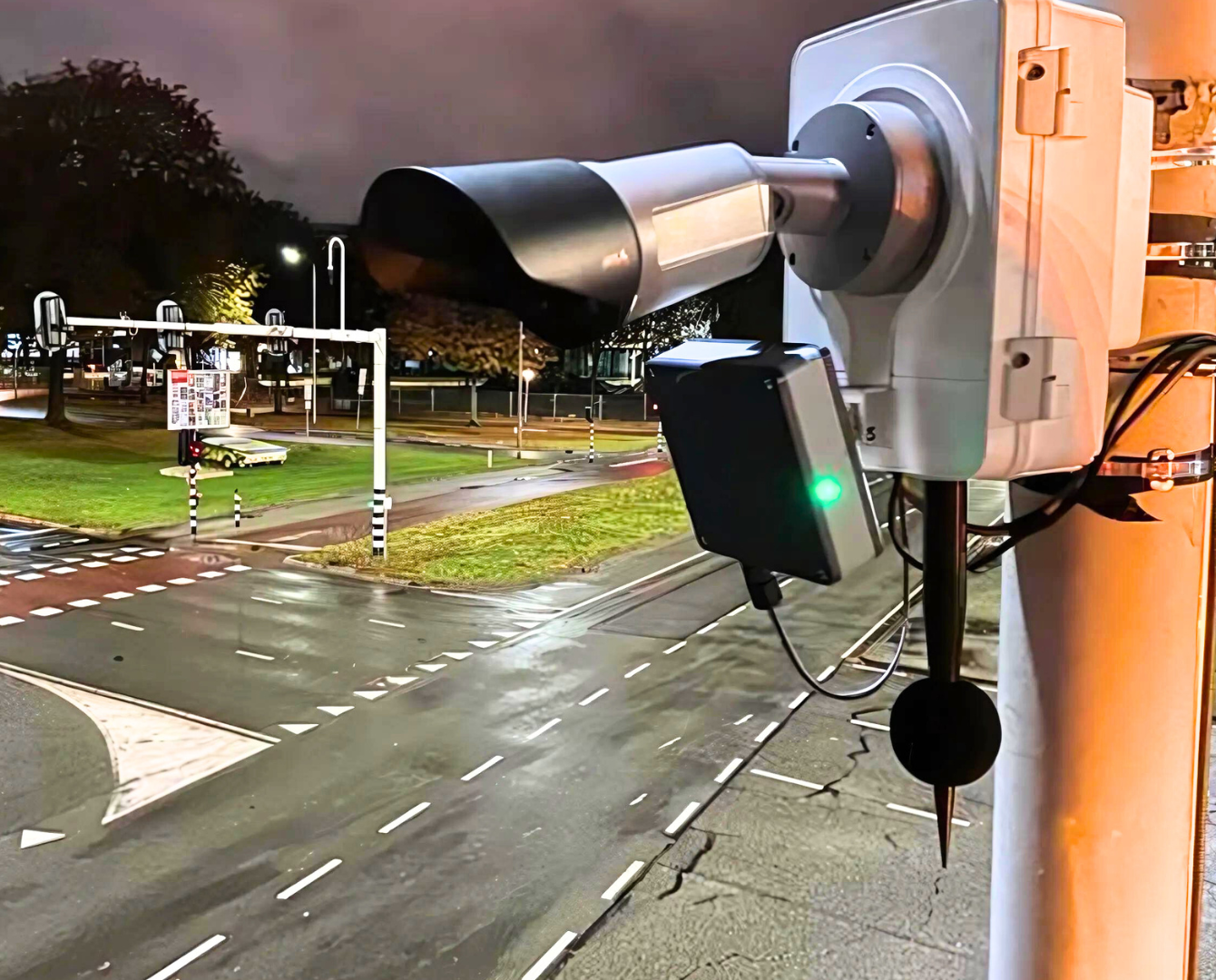
LVD_Eindhoven_StrijpS-1
eindhoven-close-up

Why complaints and follow up checks often fall short

Authorities are called about noise at night, during traffic peaks, or around certain events. By the time a site visit takes place, the situation may already look normal again. What remains is a description of what someone experienced, without clear context about where the sound came from, how it developed, or whether it repeats.

This is especially challenging because many sound issues are situational. They appear only at specific times, under certain traffic conditions, during particular activities, or in combination with weather and use patterns. A single visit or observation rarely captures that behaviour.

As a result, enforcement teams are often left with an uncomfortable gap. There is a signal that something is wrong, but not enough reliable context to decide whether the issue is incidental, recurring, or structural. Acting too quickly can feel unjustified, but waiting too long can allow the problem to persist.

The same place can raise different questions

Public environments are rarely one‑dimensional, take an airport as example. Outside the perimeter, communities may be affected by aircraft movement, ground operations, or specific routines at certain times of day. Inside the terminal, the concern shifts to passenger comfort, orientation, stress, and perceived quality.

Cities show the same complexity. A road, square, nightlife district, transport corridor, or residential area can each raise different questions, about nuisance, safety, exposure, planning, or trust. Treating all of these as a single “noise issue” often leads to responses that are hard to defend or explain.

What authorities need is not just confirmation that sound occurred, but clarity about what kind of sound it was, where it came from, and what it means in that specific context.

LC_airport
LVD rotterdam

Why sound is difficult to explain and enforce

Sound complaints are often difficult to resolve because people do not always share the same reference. One resident remembers a disturbance clearly, while another questions whether it was exceptional. A site visit may show acceptable conditions, while complaints continue.

For enforcement teams, that makes decisions harder to justify. Without clear context about the source, timing, and pattern of the sound, actions can feel either too strong or too hesitant.

Sorama helps authorities create a shared basis for discussion. By localizing, mapping, and classifying sound, acoustic information becomes something teams can review, explain, and use to decide what should happen next.

What becomes possible when authorities can clearly see sound

circle-1-solid

Understand the complaint

Complaints show that disturbance was experienced, but not always what caused it. Acoustic insight connects nuisance to place, time, and source.

circle-2-solid

Recognize recurring patterns

Many sound issues only appear under specific conditions. Sorama helps show whether an issue is incidental, repeated, or structural.


circle-3-solid

Explain decisions clearly

When sound is visible, teams have a shared reference for explaining what happened, what was measured, and why a response is justified.

circle-4-solid

Choose the right next step

Clear evidence helps teams decide whether follow-up, monitoring, enforcement, mediation, planning action, or no further action is needed.
 

The color red is very clear and therefore very easy to explain. Instead of numbers, you can now see specifically where a sound leak is.

Tim Rouw City of Eindhoven

Evidence from cities and public environments

In Eindhoven, inspectors used visual acoustic evidence to explain findings more clearly to both businesses and residents.

The value of this evidence is not only that it measures sound. It helps make an invisible issue easier to understand, especially when different people need to agree on what is happening and why it matters.

Urban and environmental sound monitoring

For cities, airports, police, and infrastructure operators, the goal is not to react to complaints, but to understand what is happening in public space, where sound originates, when it occurs, how often it repeats, and what kind of response it requires.

4-2-1

Get in touch!

Interested in working together? We'd love to hear from you!